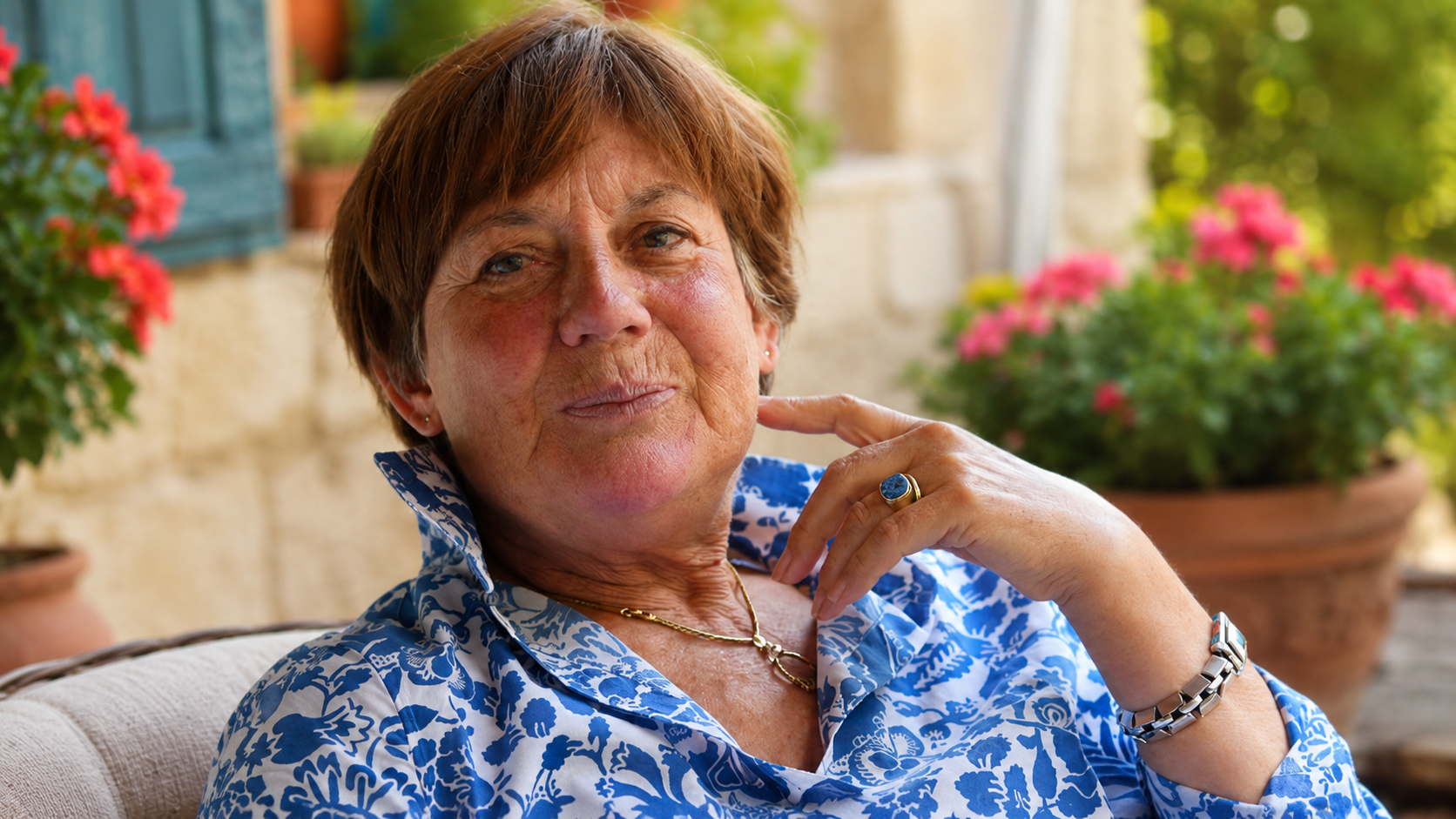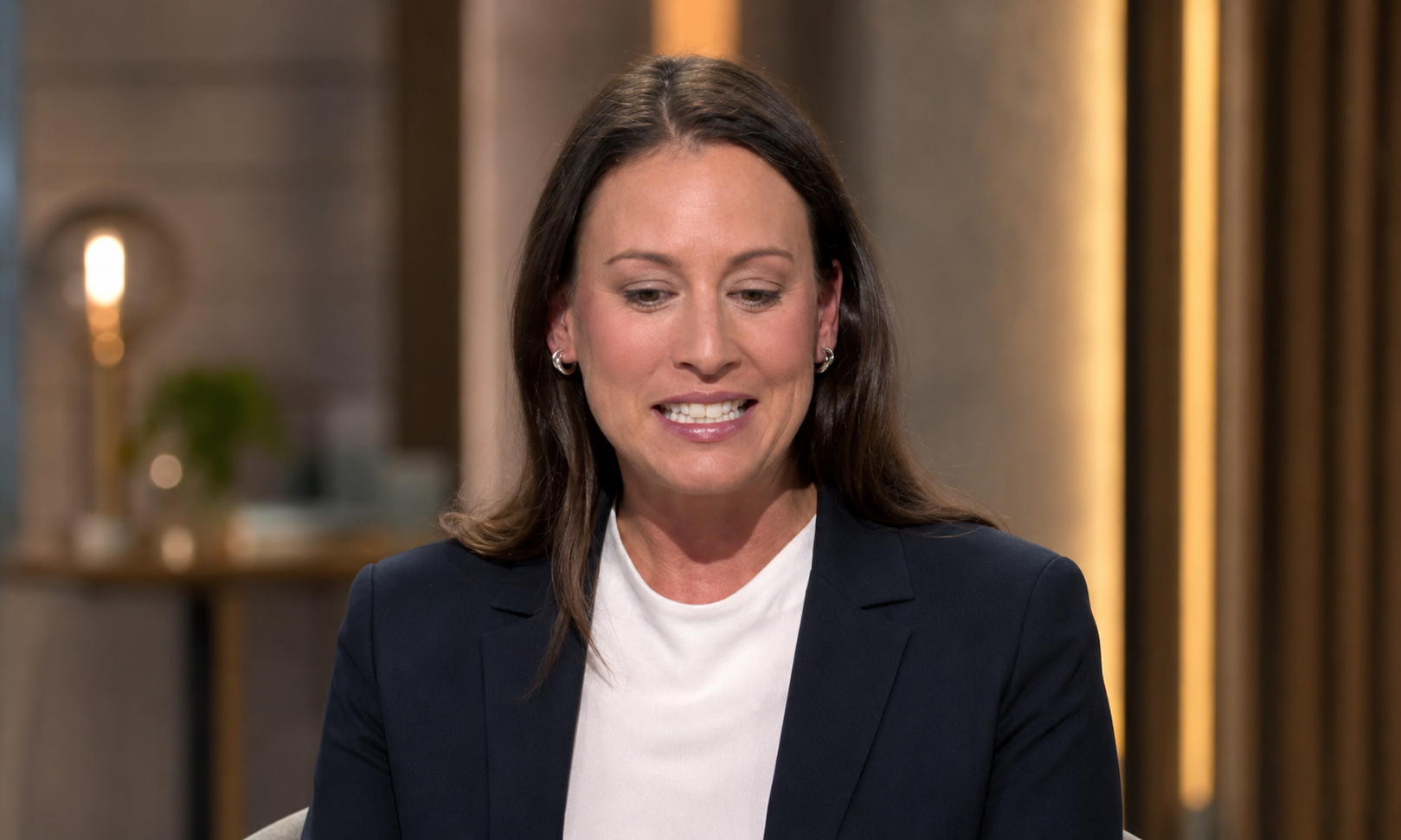
Caroline Bosbach is a German politician, author, speaker and public communicator best known for her work within the CDU and her growing role in national politics. Since March 25, 2025, she has been a member of the German Bundestag, representing the Rheinisch-Bergischer Kreis constituency in North Rhine-Westphalia. Her public profile combines politics, economics, media appearances and a strong connection to her home region around Bergisch Gladbach.
Who Is Caroline Bosbach?
Caroline Bosbach is a CDU politician from Bergisch Gladbach. She was born on November 27, 1989, and belongs to a political family: her father is Wolfgang Bosbach, one of the best-known CDU figures of his generation. But Caroline Bosbach’s career is not simply a continuation of her father’s name. Over the years, she has built her own public identity through political work, economic policy engagement, media appearances, books and her election to the Bundestag.
Her political image is shaped by themes such as economic strength, intergenerational fairness, sustainability, energy policy, small and medium-sized businesses, and the future of Germany as a business location. She often presents herself as part of a younger conservative generation that wants to speak about responsibility, reform and social cohesion in a more direct way.
Early Life and Education
Caroline Bosbach grew up in Bergisch Gladbach, a city in North Rhine-Westphalia closely connected with her political identity. According to the Bundestag biography, she attended Gymnasium Herkenrath from 2000 to 2009 and completed her Abitur there. She later studied Business Communication Management at the University of Applied Sciences for Engineering and Economics in Berlin, completing her Master of Arts in 2017.
Her educational background is important for understanding her career path. Bosbach did not move straight into elected politics. She first built experience in communication, business and political advisory work. This mix of political interest and professional communication later became one of the defining features of her public profile.
Caroline Bosbach and Her Political Background
Politics was always close to Caroline Bosbach’s life because of her father, Wolfgang Bosbach, who served for many years in the German Bundestag and became widely known as a CDU politician with a clear, direct style. Still, Caroline Bosbach has repeatedly worked to establish herself as more than “the daughter of Wolfgang Bosbach.” Her own political route has included work in the CDU, the Junge Union, the Mittelstandsunion and the Wirtschaftsrat.
Her political rise reflects a broader pattern in German politics: younger politicians are increasingly expected to communicate across traditional party structures, television, social media and public speaking formats. Bosbach has used all of these spaces. She appears not only as a party politician, but also as an author, moderator and speaker on economic and social questions.
Professional Career Before the Bundestag
Before becoming a member of the Bundestag, Caroline Bosbach worked in several professional roles linked to business, communication and politics. CDU NRW lists her early professional path as including a management trainee program, strategy consulting in a communications agency and teaching work at the Cologne Business School. She later worked as a political advisor at local and federal level, including roles connected to the Wiesbaden city hall, Bundestag member Bettina Wiesmann and the Parlamentskreis Mittelstand of the CDU/CSU parliamentary group.
This background gave her a practical understanding of how communication, administration, political messaging and economic policy overlap. It also helped her move between different political arenas: local politics, parliamentary networks, business associations and public debate.
Since 2023, she has also been connected with the Stromkontor Unternehmensgruppe in Bergisch Gladbach, where her official Bundestag profile lists her work as a regulatory manager.
Entry Into the German Bundestag
Caroline Bosbach’s most important political step came with the 2025 federal election. She was elected directly in the Rheinisch-Bergischer Kreis constituency and became a member of the 21st German Bundestag on March 25, 2025. The CDU Rheinisch-Bergischer Kreis states that she won the constituency with 42.2 percent of the first votes in the early federal election held on February 23, 2025.
Her direct mandate matters because it gives her a clear regional base. In Germany’s mixed electoral system, a direct mandate shows that a candidate has personally won the constituency vote. For Bosbach, this strengthened her position as a representative of Rhein-Berg and gave her a platform in national politics.
Parliamentary Work and Political Focus
In the Bundestag, Caroline Bosbach is part of the CDU/CSU parliamentary group. Her official Bundestag profile lists her as a full member of the Committee on Agriculture, Food and Heimat, as well as a full member of the Parliamentary Advisory Council on Sustainable Development and Future Issues. She is also listed as a substitute member of the Committee on Labour and Social Affairs and the Committee on Internal Affairs.
The CDU/CSU parliamentary group also lists her involvement in the AG Landwirtschaft, Ernährung und Heimat, the Gruppe der Frauen and the Parlamentskreis Mittelstand. These memberships fit her broader political profile: she often speaks about economic policy, regional identity, sustainability, generational fairness and the role of small and medium-sized businesses in Germany.
Her political themes are not limited to one field. She connects economic competitiveness with social responsibility, energy questions, regional development and debates about what younger generations expect from politics. That combination has helped her become visible beyond her constituency.
Author, Speaker and Media Personality
Caroline Bosbach is also known as an author and public speaker. In 2021, she published “Schwarz auf Grün. Was die schweigende Mehrheit umtreibt. Für eine neue Politik der Mitte” with Torsten Weber. The book presents her view of a renewed political center and reflects her interest in conservative reform, civic responsibility and public debate.
Her second book, “Zeit für Mut. Warum wir Deutschland nicht links liegen lassen dürfen,” was published by Langen Müller Verlag in 2024. The book strengthened her public profile as a political voice focused on Germany’s future, economic policy and conservative arguments in a changing political landscape.
Beyond books, Bosbach appears as a keynote speaker and moderator. Speaker profiles describe her topics as including business, energy, sustainability, intergenerational justice, innovation and the future of Germany as a business location.
Public Recognition Through Television
Caroline Bosbach became known to a wider audience through television appearances as well as political commentary. One of the most visible moments came in 2022, when she took part in the RTL dance show “Let’s Dance” with professional dancer Valentin Lusin. She left the show in the fifth episode, but the appearance introduced her to many viewers who may not have followed CDU politics closely.
This kind of media visibility can be unusual for politicians, but it also reflects how public life has changed. Politicians today often appear across entertainment formats, talk shows, podcasts and social media. For Caroline Bosbach, television helped broaden her recognition beyond the political audience.
Political Style and Public Image
Caroline Bosbach’s political style is direct, media-aware and rooted in conservative politics. She speaks frequently about courage, economic renewal and the need for politics that understands the concerns of ordinary citizens. Her biography is often presented as a mixture of business experience, communication skills and political upbringing.
At the same time, she belongs to a generation of politicians that faces a difficult public environment. Political debate in Germany has become sharper, more digital and more polarized. Bosbach’s profile shows both the opportunities and the risks of modern political visibility: a politician can reach more people, but also faces more scrutiny.
Personal Details and Family
Caroline Bosbach was born in Bergisch Gladbach and remains closely associated with the Rheinisch-Bergischer Kreis. The Bundestag lists her as Roman Catholic and unmarried in her official biography.
Her father, Wolfgang Bosbach, remains an important part of her public story, but Caroline Bosbach’s own career has increasingly moved into its own space. Her election to the Bundestag, her books and her work in economic and parliamentary networks have made her a recognizable political figure in her own right.
Public Scrutiny and Current Developments
As a public officeholder, Caroline Bosbach has also faced scrutiny. In late 2025, German media reported that the Cologne public prosecutor’s office had opened an investigation related to allegations involving a disputed invoice connected to campaign-related spending. Bosbach rejected the allegations, and reports emphasized that the presumption of innocence applies.
For a biography, it is important to present such matters carefully and without speculation. At the time of the publicly available reporting, the case was described as an investigation, not a conviction. Responsible coverage should therefore separate confirmed facts from allegations.
Why Caroline Bosbach Is Notable
Caroline Bosbach is notable because she stands at the intersection of several modern political trends. She is a CDU politician with a direct Bundestag mandate, a public speaker on economic and generational issues, an author of political books and a media personality known beyond classic party circles.
Her career shows how a younger politician can move through different stages: education in communication, work in business and advisory roles, public speaking, book publishing, television visibility and finally a seat in the German Bundestag. That combination makes her an interesting figure in contemporary German politics.
She is also notable because of the balance she tries to strike between regional representation and national debate. Her political base is the Rheinisch-Bergischer Kreis, but her themes — economic competitiveness, future policy, sustainability, social cohesion and generational fairness — are national issues.
Caroline Bosbach’s Career at a Glance
Caroline Bosbach’s career can be understood as a gradual move from communication and advisory work into elected politics. She studied Business Communication Management, worked in business and political advisory roles, became active in CDU-related networks, published political books, appeared in media formats and entered the Bundestag in 2025.
This path has shaped her public image as a politician who understands both political messaging and economic debate. Whether speaking in parliament, writing books or appearing in public discussions, she has positioned herself as a voice within the younger conservative spectrum in Germany.
Frequently Asked Questions About Caroline Bosbach
Who is Caroline Bosbach?
Caroline Bosbach is a German CDU politician, author and speaker. Since March 25, 2025, she has been a member of the German Bundestag for the Rheinisch-Bergischer Kreis constituency in North Rhine-Westphalia.
How old is Caroline Bosbach?
Caroline Bosbach was born on November 27, 1989, in Bergisch Gladbach. That makes her 36 years old in 2026.
Is Caroline Bosbach related to Wolfgang Bosbach?
Yes. Caroline Bosbach is the daughter of Wolfgang Bosbach, the well-known former CDU politician. However, she has built her own political career through her work in the CDU, her books, her public speaking and her Bundestag mandate.
What party does Caroline Bosbach belong to?
Caroline Bosbach belongs to the CDU, the Christian Democratic Union of Germany. In the Bundestag, she is part of the CDU/CSU parliamentary group.
What books has Caroline Bosbach written?
Caroline Bosbach published “Schwarz auf Grün. Was die schweigende Mehrheit umtreibt. Für eine neue Politik der Mitte” in 2021, together with Torsten Weber. Her second book, “Zeit für Mut. Warum wir Deutschland nicht links liegen lassen dürfen,” was published in 2024.